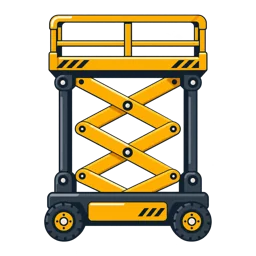
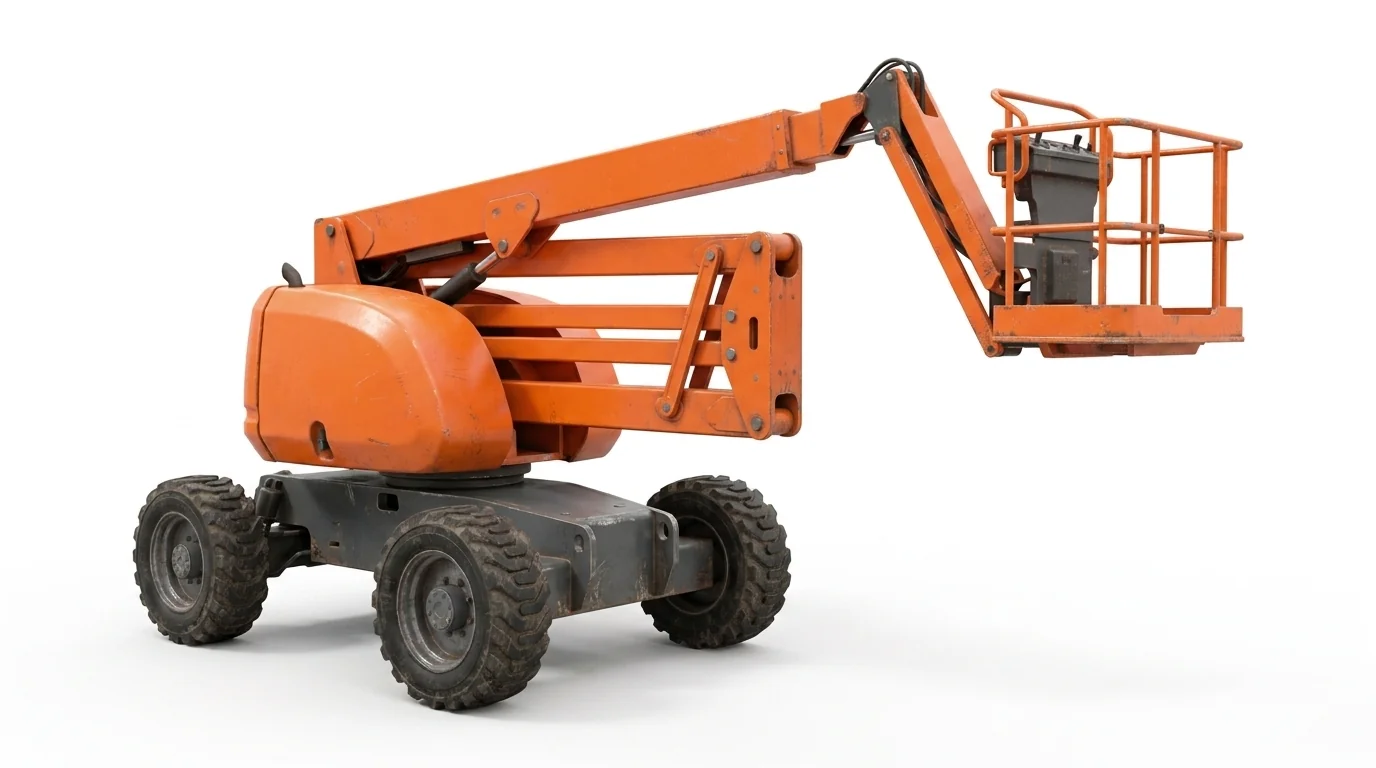
Aerial work around Birmingham, AL, falls into two patterns. Interiors at distribution buildings and institutional facilities reward compact electric scissor lifts. Exterior construction across rolling grades and clay‑based soils often steers decisions to rough‑terrain scissors or booms. Begin by mapping the path from ground to task—vertical or up‑and‑over—then filter by ground condition, floor loads, and clearance limits.
Two primary access paths
Vertical access: Scissor lifts provide spacious platforms when the machine can sit below the work. See /electric-scissor-lift-rental/ for indoor and /rough-terrain-scissor-lift-rental/ for outdoor.
Up‑and‑over access: Articulating and telescopic booms navigate obstacles, canopies, and setbacks. Compare details at /boom-lift-rental/.
Birmingham factors that reshape choices
Red clay and frequent wet ground argue for rough‑terrain features outdoors; level, finished interiors point to electric slab units.
Large indoor volumes tied to logistics and campus maintenance keep low‑emission, non‑marking machines in regular rotation.
Rolling hills and uneven laydown yards may limit where slab models can travel or sit; grade limits and site procedures apply.
Specs that narrow the shortlist
Working height and outreach requirements.
Platform size versus crew count and materials.
Machine width versus aisles, gates, and corridors.
Power source and tire type for indoor floors versus exterior soils.
Example use cases in Birmingham
High‑bay lighting, racking, and controls: electric scissor platforms.
Exterior steel, facade access, and signage on varied grades: rough‑terrain scissors or booms.
Courtyards and service yards with trees and canopies: articulating booms.
Related equipment to consider
Need maximum horizontal reach: see /boom-lift-rental/.
What makes a boom lift preferable to a scissor in Birmingham?
When obstacles block a vertical approach—such as canopies, equipment, or landscaping—booms provide up‑and‑over reach, which suits many exterior and courtyard tasks around the city’s varied terrain.
Which aerial lifts are best for large indoor distribution aisles?
Electric slab scissor lifts with narrow chassis and non‑marking tires typically fit aisle widths and floor requirements in those interiors.
How do rolling grades affect aerial lift planning?
Slopes limit where machines can travel and sit. Rough‑terrain scissors or booms with appropriate features are commonly evaluated, with actual site conditions and manufacturer limits governing the decision.