Define the reach from a realistic parking spot
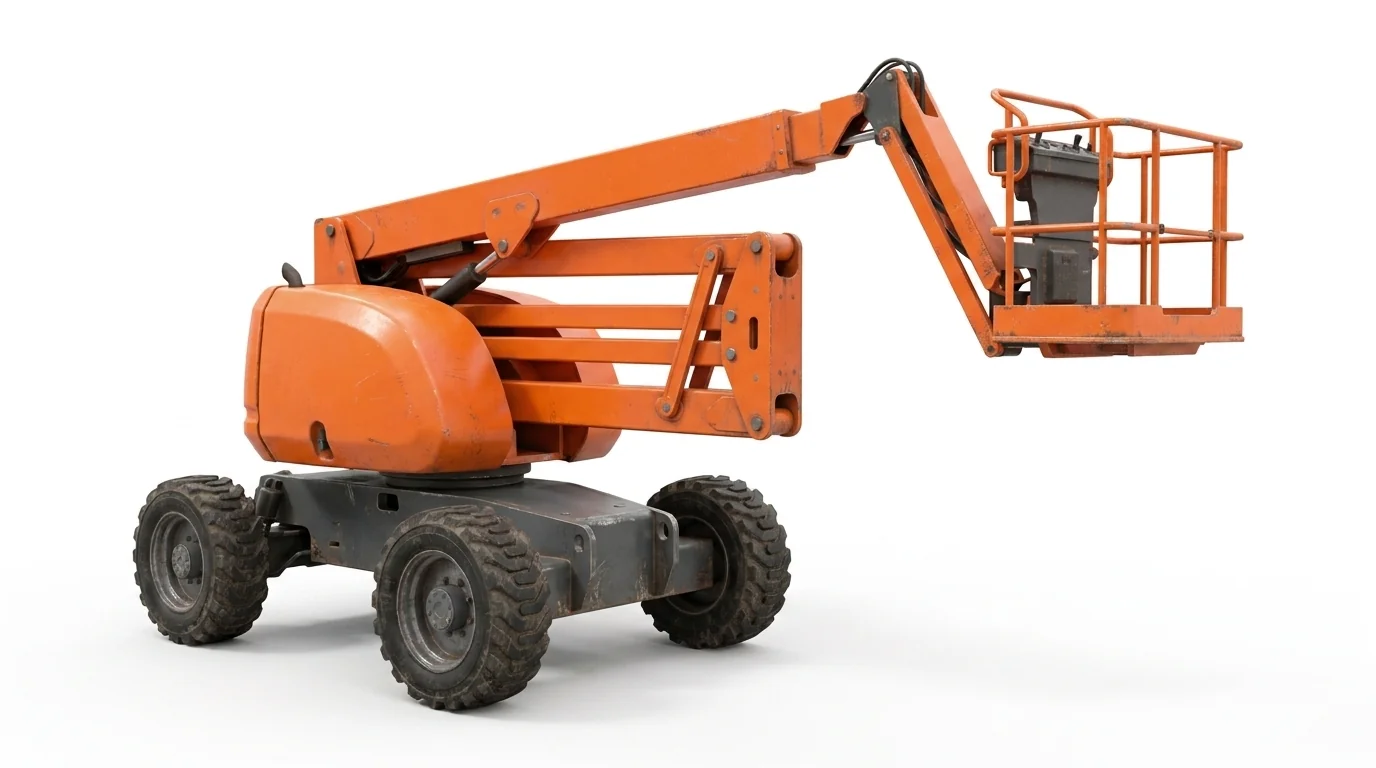
Measure the setback where the unit can safely sit—often a paved lane or dock apron—and the horizontal distance to the target. Telescopic booms are efficient when: - The approach is clear with room to swing and level - The job runs along long façades or high-bay exteriors - The machine must span over curbs, rail spurs, or swales
Terrain and the “red clay & ridge” factor
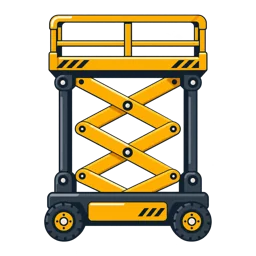
Birmingham’s slopes and moisture-retaining soils can leave edges soft even when pavement nearby looks dry. For exterior spans, rough-terrain capability matters for stability when crossing transitions between concrete and unpaved margins. If the approach is fully slab-on-grade indoors, a scissor from /electric-scissor-lift-rental/ may be more suitable for vertical-only tasks.
Power, boom length, and tail swing
- Diesel or hybrid power supports long travel and outdoor duty cycles common on industrial sites.
- Longer booms increase tail swing; confirm clearance near parked trailers, bollards, and façade projections.
- Platform capacity must match tools and materials. If heavier loads are primary and reach-over is minor, /rough-terrain-scissor-lift-rental/ can provide wider decks with guardrail access.
Wind exposure and local conditions
Elevated exterior work in the regional climate requires attention to the selected unit’s instructions and site procedures. Open corridors between buildings can channel gusts; long booms magnify this effect. Compare exposure at the planned working height to the machine’s stated limits and the site’s oversight.
When a different lift fits better
- Need to snake around piping or over parapets? See /articulating-boom-lift-rental/.
- Strictly vertical indoor access under smooth floors? See /aerial-lift-rental/ and scissor options.