Define the placement problem first
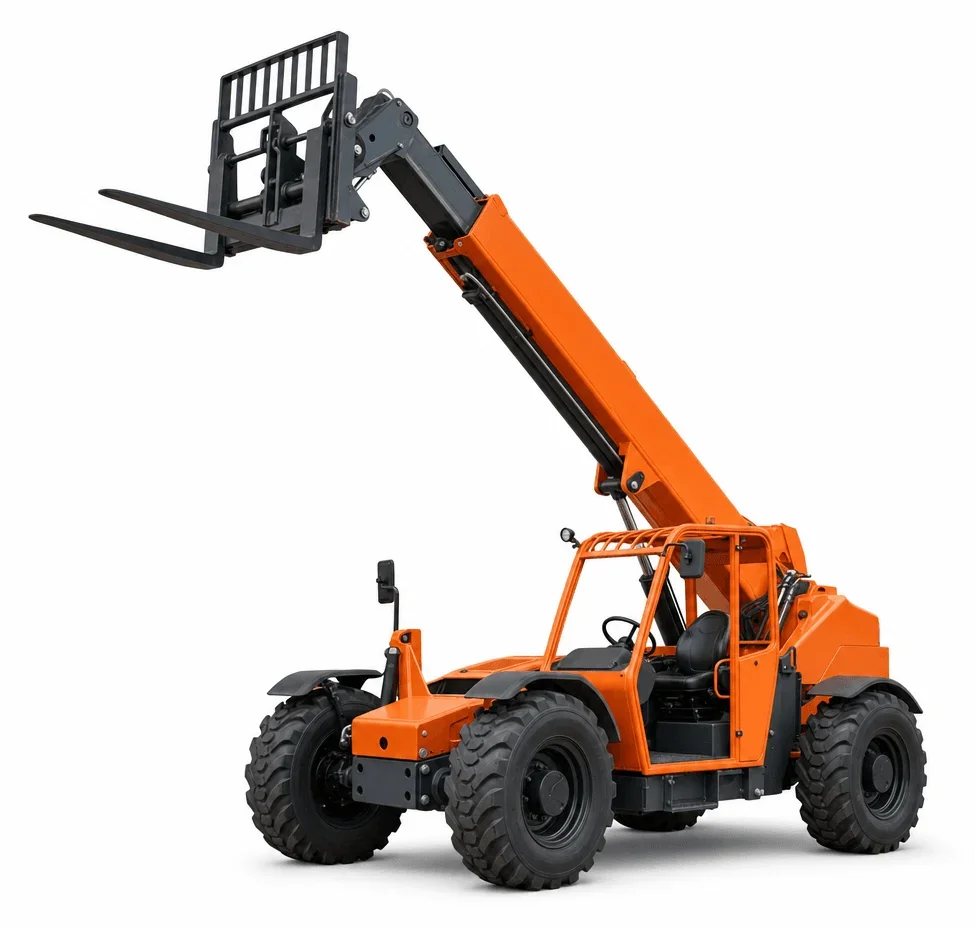
Start with the heaviest load, the lift height, and the setback. A pallet placed to a second- or third-story slab from a truck lane demands specific boom capacity at reach. If the machine must stay back behind curbs or soft shoulders, the effective reach increases and capacity at that reach becomes the deciding metric.
Site approach and ground conditions
Red clay holds moisture and can feel firm on top yet shear below. Around sloped approaches and new utilities, 4WD and rough-terrain tires help maintain traction between pads and fill areas. After storms, plan routes that avoid saturated transitions and tight turns on newly graded berms.
Carriages, forks, and attachments context
Different carriages and fork sizes change load handling and visibility at height. Side-shift and tilt functions influence placement when you cannot square up to the landing due to bollards, dock edges, or landscaping. Confirm pallet dimensions against fork spacing and carriage travel.
Telehandler vs. other equipment
- For long horizontal personnel access, see /telescopic-boom-lift-rental/.
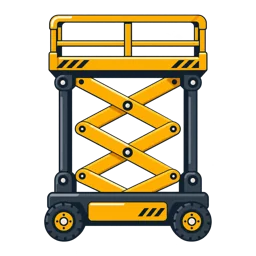
- For vertical-only platform work indoors, /electric-scissor-lift-rental/ may be better suited.
- For moving materials exclusively on smooth floors, /forklift-rental/ typically offers tighter turning and lower stowed height.
Logistics in Birmingham’s industry mix
Local distribution buildings often require offloading in tight dock aprons, then ferrying loads around to side bays. Institutional projects layer in elevation changes between quads and service courts. These patterns reward shorter wheelbases for maneuvering, balanced against the reach needed to set loads past parapets or framing.
Oversight and procedures
Elevated placing work is controlled by site procedures and the selected unit’s instructions. Factor in spotter visibility, exclusion zones, and weather exposure at height in the regional climate.