Start with the load and the route
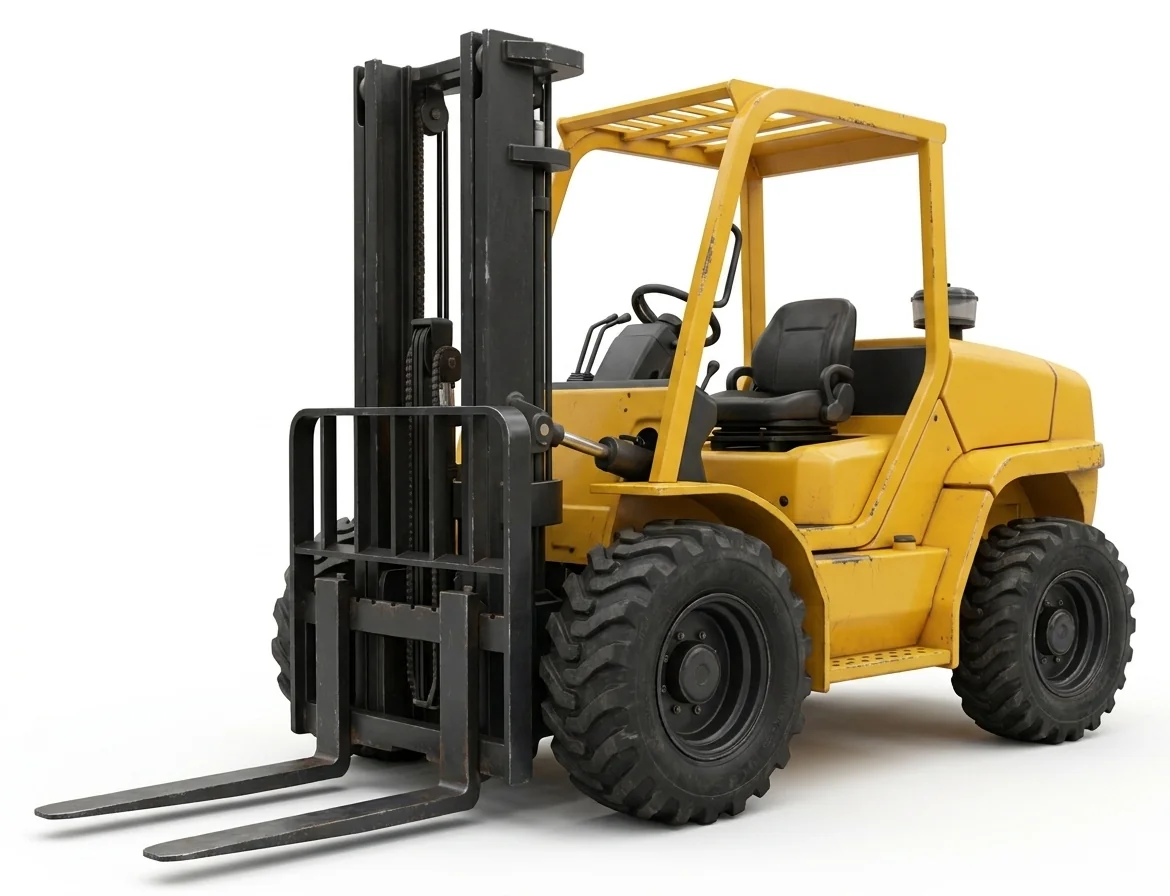
Define the heaviest pallet, its dimensions, and the travel path. Note door and dock heights, ramp slopes, and any grade breaks. If loads start in a yard or on red clay after rain, traction before the threshold may require pneumatic tires, but once inside, the floor may favor cushion tires and tighter turning.
Indoor distribution patterns
Local distribution buildings use narrow aisles, dense racking, and high-bay storage. For these conditions, cushion-tire forklifts with compact frames navigate tighter turns and fit under low mezzanines. Verify aisle width against the truck’s right-angle stack requirement and the mast’s collapsed height against door headers and sprinklers.
Mixed-surface considerations
Birmingham’s moisture-retaining soils keep exterior edges soft. Crossing from truck aprons to temporary surfaces can jolt loads and challenge smaller chassis. If most travel is outdoors on variable ground, compare against /telehandler-rental/ for clearance and approach angles. If the task is primarily interior and predictable, forklifts offer speed and efficiency.
Power source and ventilation
- Electric: Suited to conditioned spaces with sensitive inventory and low noise needs. Plan for charging access near staging.
- Internal combustion: Useful when part of the route is outdoors, or duty cycles are long between fills. Confirm ventilation requirements inside.
When a different lift makes sense
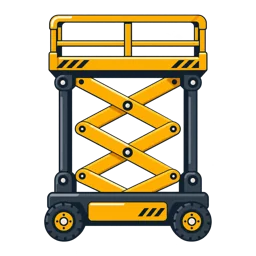
- Need people at height rather than pallets? See /aerial-lift-rental/.
- Moving materials on unfinished lots or placing loads to elevated decks? See /telehandler-rental/.
Oversight and procedures
Material handling in the regional climate and mixed surfaces is governed by site procedures and the selected unit’s instructions. Payload, slope, and surface conditions determine safe planning margins.