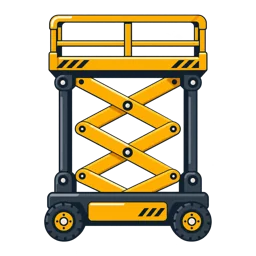
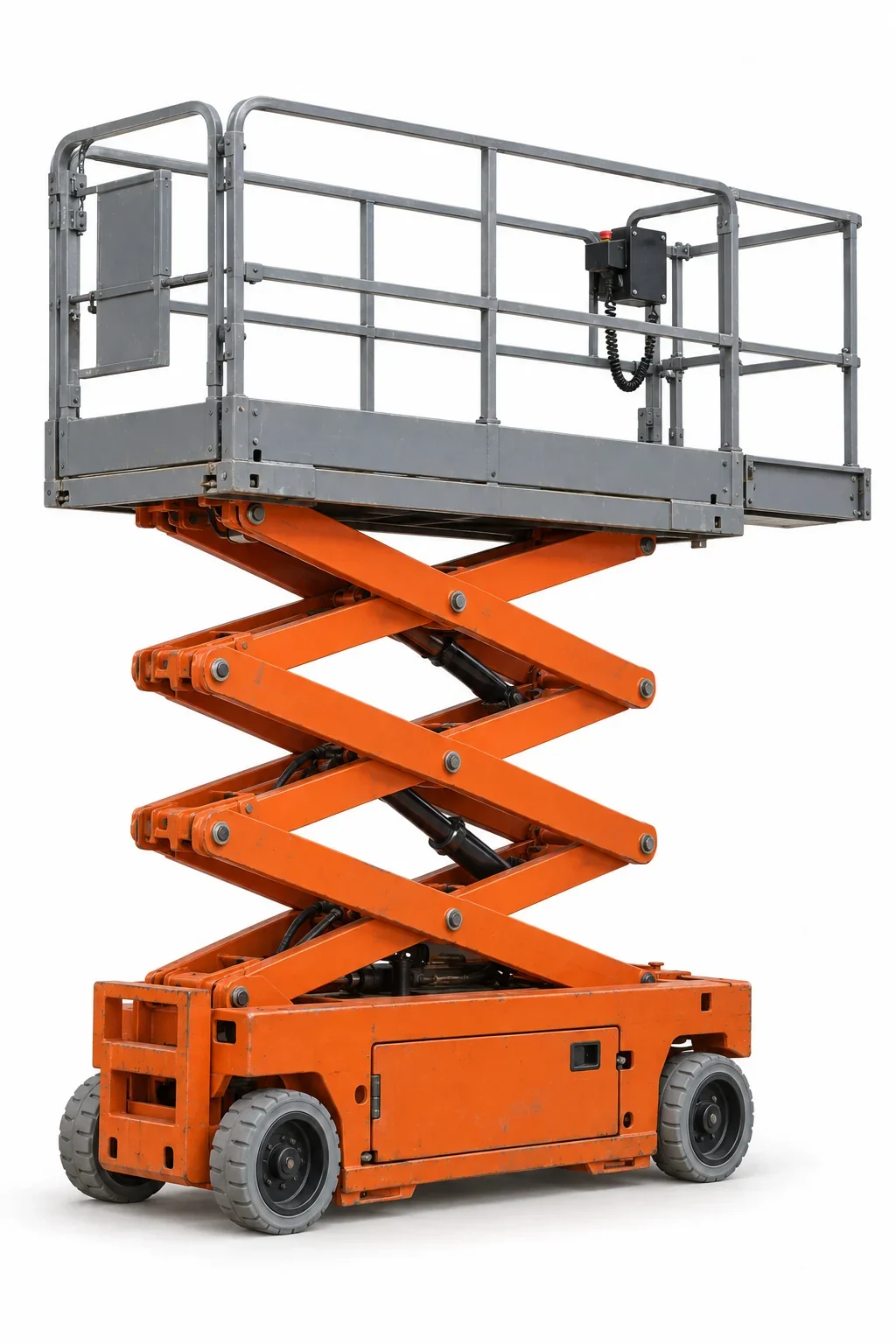
Outdoor access around Birmingham, AL, often happens on clay‑based soils, aggregate pads, and unfinished parking lots. Stability, gradeability, and deck size drive the choice. Start by confirming the platform can sit below the task; if overhead obstacles require outreach, compare boom lifts. Then factor ground condition, weather windows, and transport access on sloped sites.
Job geometry first
Can the lift sit directly beneath the work zone without reaching past edges or canopies? If not, explore /boom-lift-rental/.
Identify working height and the need for larger platforms for crews and materials.
Local ground and weather realities
Red clay holds moisture and can shear under point loads. A wider stance, aggressive tread, and higher ground clearance help on unfinished jobsites. Site procedures and the selected unit’s instructions dictate what is acceptable.
Rolling terrain around the city adds slope; check allowable grade where the machine will travel and sit.
Rain events can turn access roads slick; plan staging and egress points that avoid rutting and drainage channels.
Specs that narrow the field
Platform height and deck capacity for exterior cladding, glazing prep, or signage.
Overall width versus gate openings, temporary fencing, and tight laydown yards. See /temporary-fencing-barricades-rental/ for site controls.
Power type: diesel or hybrid options suit extended outdoor cycles; indoor transitions favor electric alternatives at /electric-scissor-lift-rental/.
Common Birmingham use cases
Structural assembly, facade repairs, and canopy work on uneven pads.
Site utilities, lighting poles, and exterior MEP rough‑in before paving.
Courtyard projects where turf or aggregate covers clay‑rich subgrades.
Related comparisons
Need to reach over landscaping or protrusions? Review /boom-lift-rental/.
Mixed indoor/outdoor tasks on the same project? Start at /aerial-lift-rental/ to weigh scissor versus boom options.
Equipment questions
Questions about Birmingham planning
Why do many outdoor Birmingham projects lean toward 4WD or rough‑terrain scissors?
Clay‑heavy soils and rolling grades reduce traction and bearing strength. Rough‑terrain units with wider stance and tread patterns are commonly selected for stability, subject to site rules and the machine’s instructions.
Can a slab scissor be used outside on hard surfaces?
Some exterior hardstand areas may suit a slab unit if level and rated for the load. Verify surface condition, slope, and manufacturer limits before deciding.
What if the work area is behind landscaping berms or equipment?
If the platform cannot sit directly below the task, consider /boom-lift-rental/ for up‑and‑over reach.